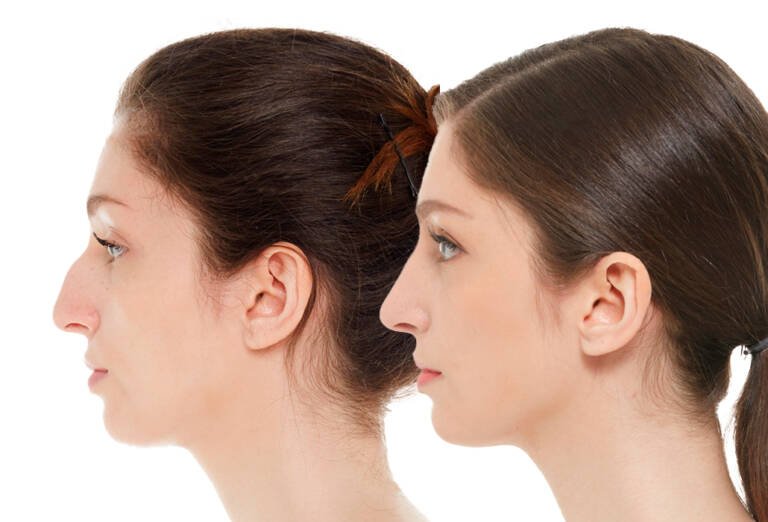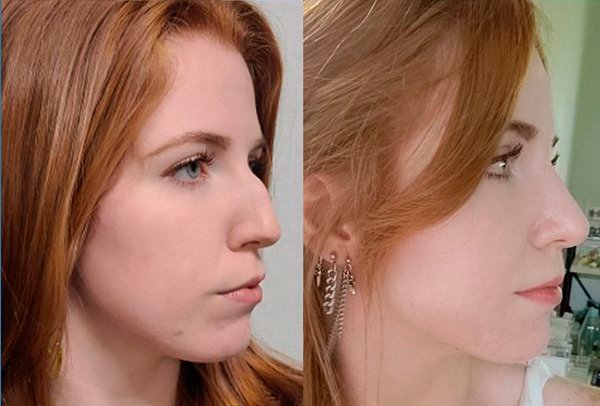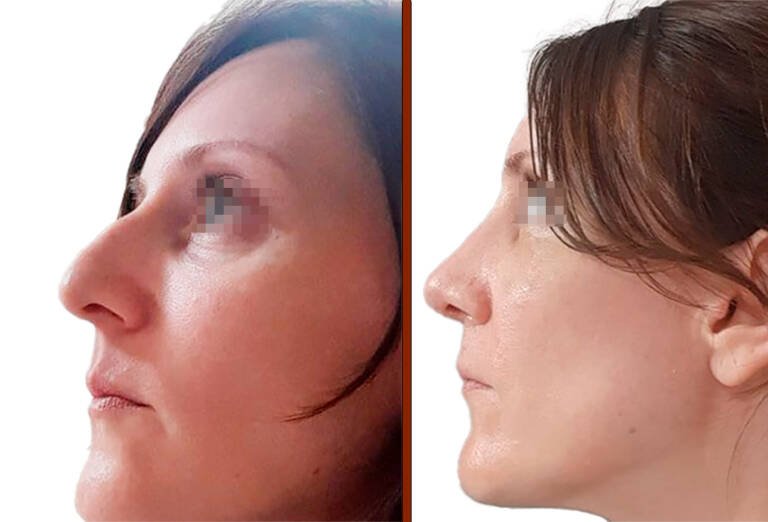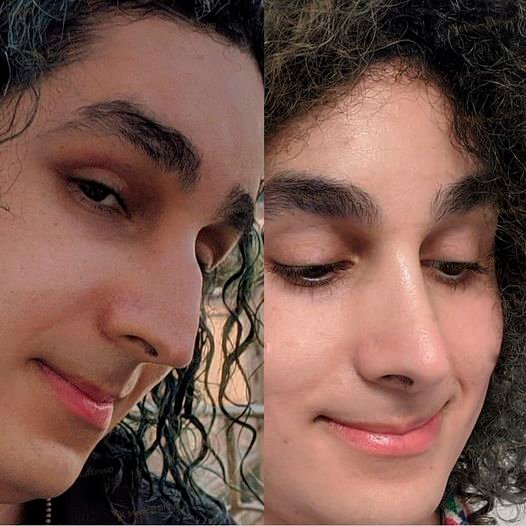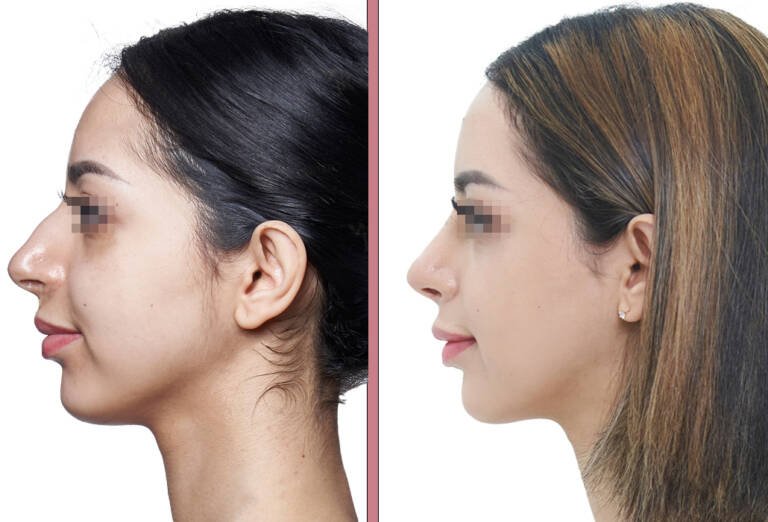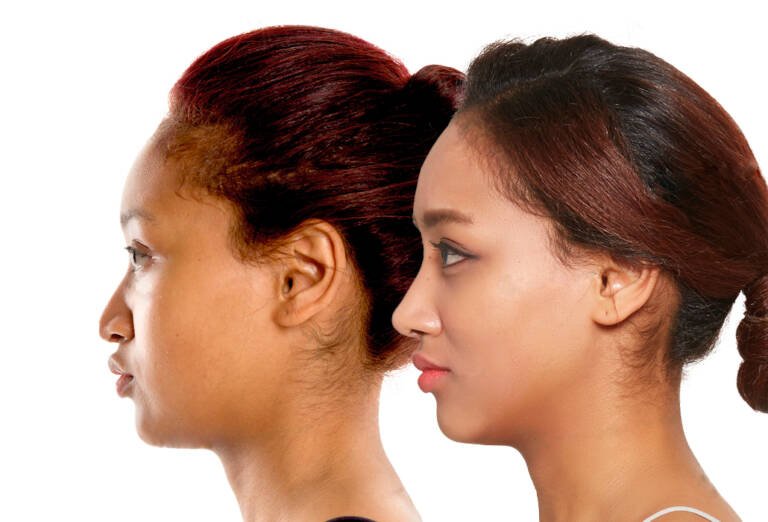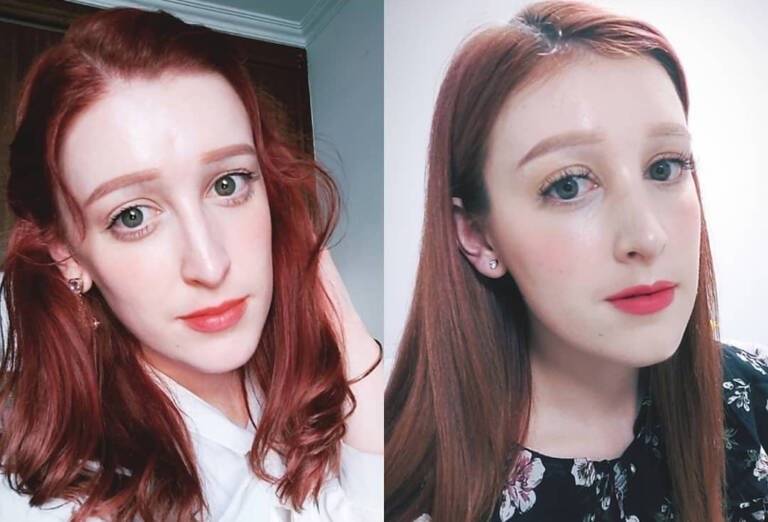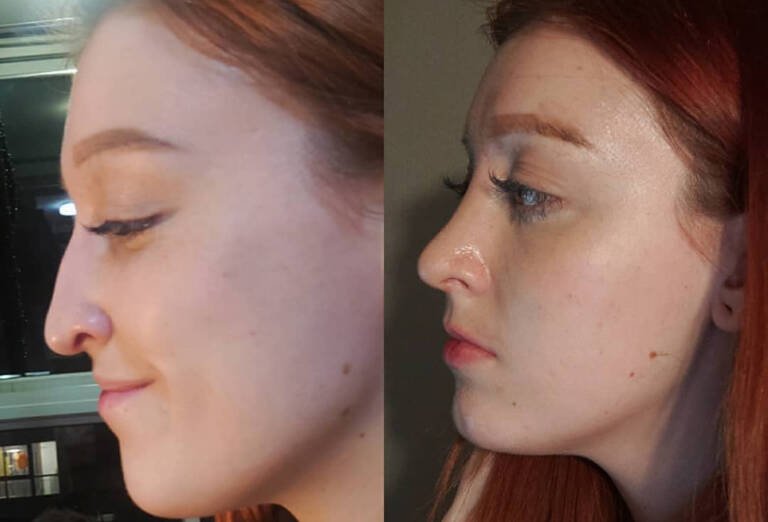
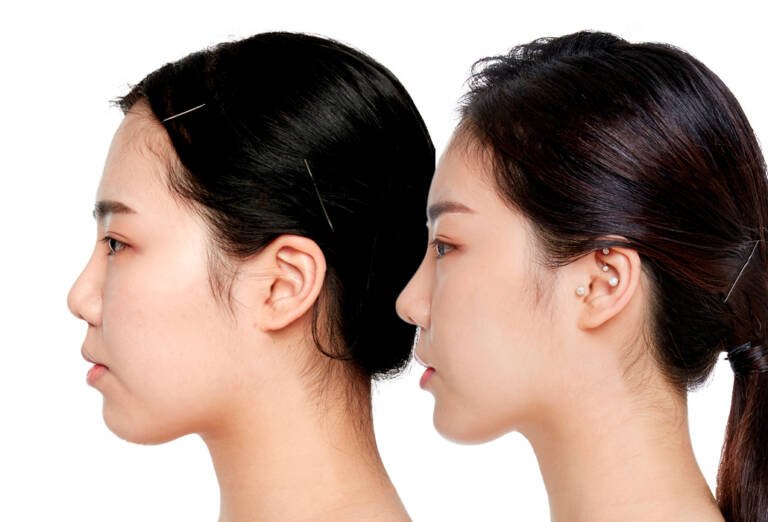
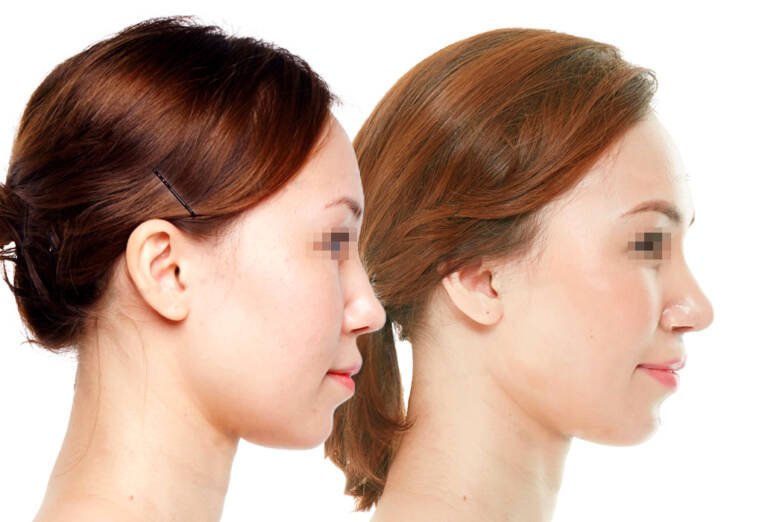
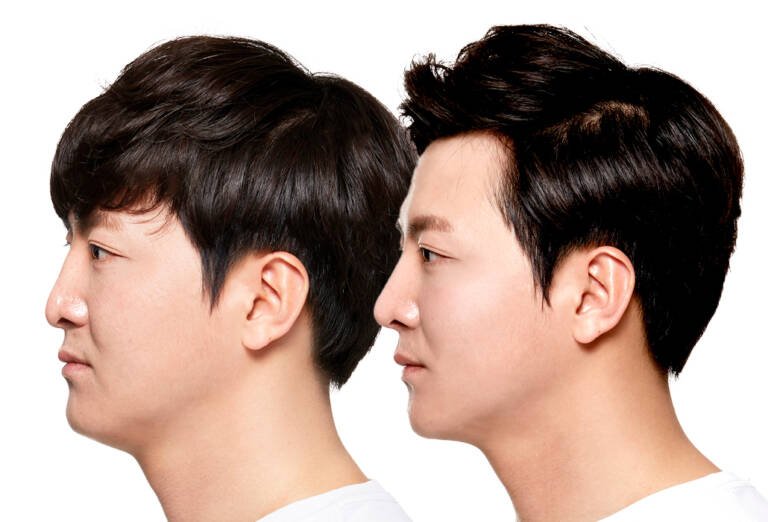
Rhinoplasty (Nose Surgery)
Reshape. Refine. Breathe Freely.
Rhinoplasty — also known as a “nose job” — is a highly individualized surgical procedure
designed to improve both the appearance and function of the nose. Whether your goal is
enhanced facial harmony or better breathing, undergoing rhinoplasty abroad offers
world-class results at a more affordable cost.
What Can Rhinoplasty Improve?
- Crooked or asymmetrical nose
- Prominent dorsal hump
- Bulbous, droopy, or upturned nasal tip
- Wide or flared nostrils
- Deviated septum and breathing difficulties
- Post-traumatic nasal deformities
Procedure Details
- Anesthesia: General anesthesia (most cases)
- Duration: 1.5–3 hours
- Hospital Stay: Same-day discharge or 1 night
Incision Techniques
Open Rhinoplasty
Involves a small incision across the columella, allowing maximum visibility and precision.
Scars are minimal and typically fade over time.
Closed Rhinoplasty
All incisions are made inside the nostrils, leaving no visible external scars.
This technique is less invasive but suitable only for selected cases.
Your surgeon will recommend the most appropriate technique based on your anatomy and goals.
Recovery Timeline
- Days 1–3: Swelling, mild discomfort, nasal splint applied
- Day 7: Splint and sutures removed
- Week 2: Bruising and swelling significantly reduced
- Weeks 3–4: Return to work and light activities
- 3–6 months: Noticeable improvement in nasal tip swelling
- 12 months: Final results fully visible
Note: Avoid contact sports, heavy glasses, and excessive sun exposure during early recovery.
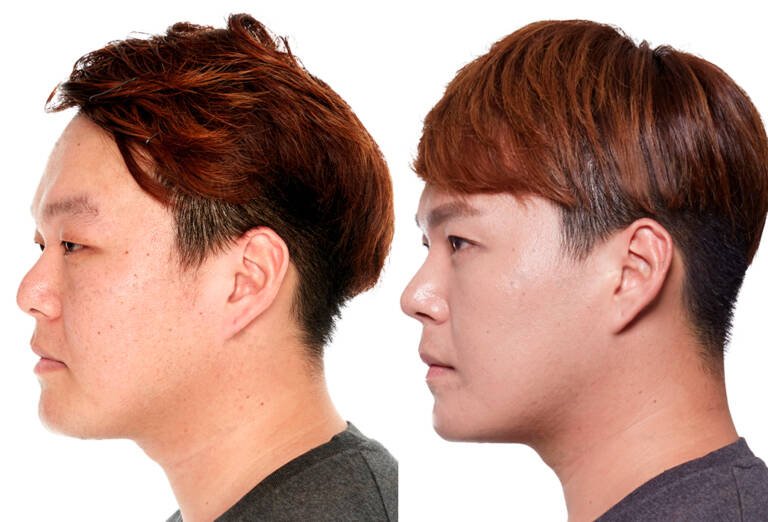
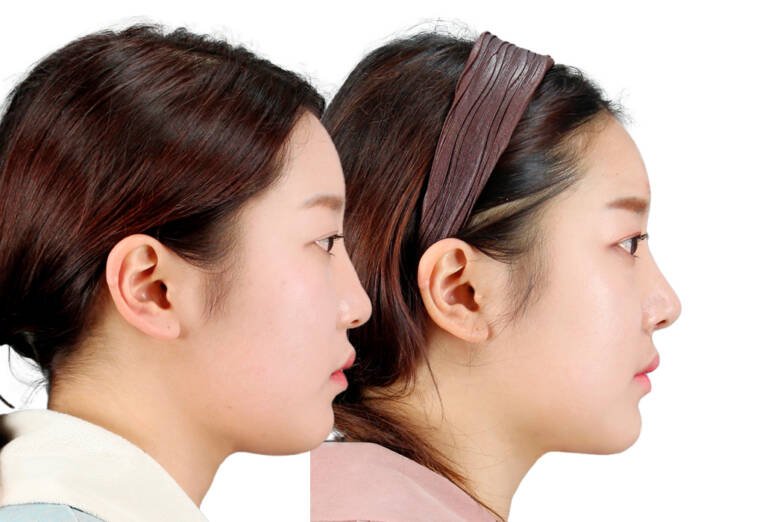
What is Flat Nose Rhinoplasty (Nose Augmentation)?


Flat nose rhinoplasty is a specialized procedure designed to enhance nasal projection
and definition. A low nasal bridge and under-projected tip can create the appearance
of a flatter, less contoured facial profile.
By augmenting the bridge and refining the nasal tip, this procedure helps achieve
improved facial balance, enhanced definition, and a more harmonious overall appearance.
Procedure Overview
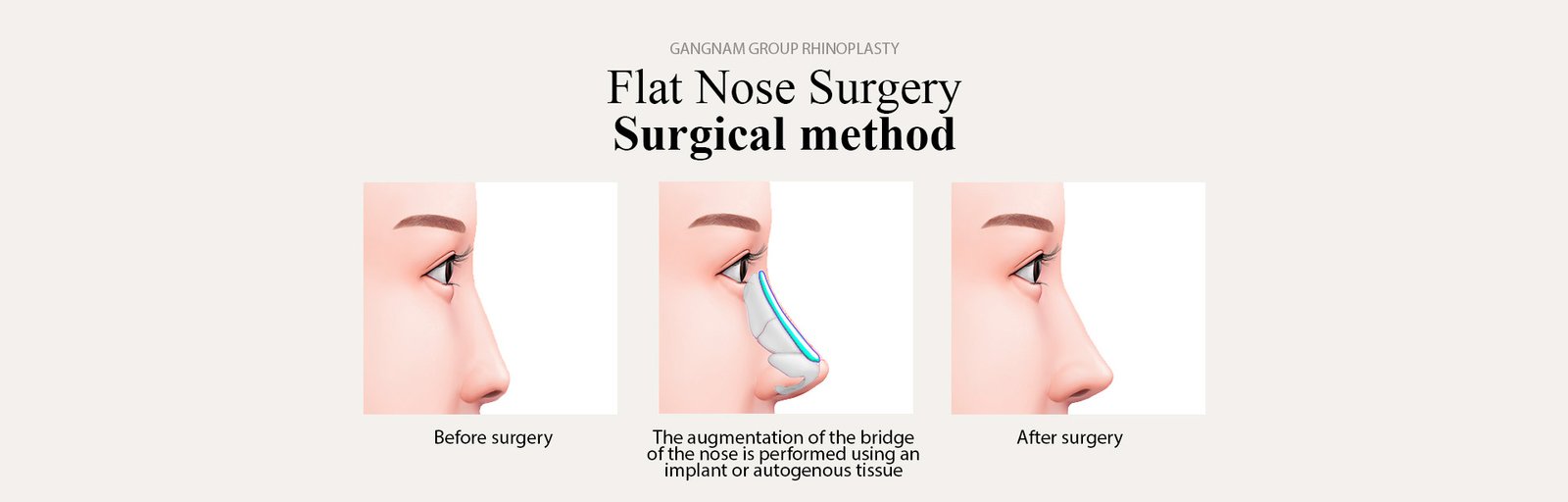
Nasal bridge augmentation is typically performed using either a biocompatible implant
or the patient’s own (autologous) tissue, depending on individual anatomy and preferences.
When additional refinement is required, nasal tip surgery is performed using autologous
cartilage to build structure, improve projection, and create a more defined,
natural-looking tip.
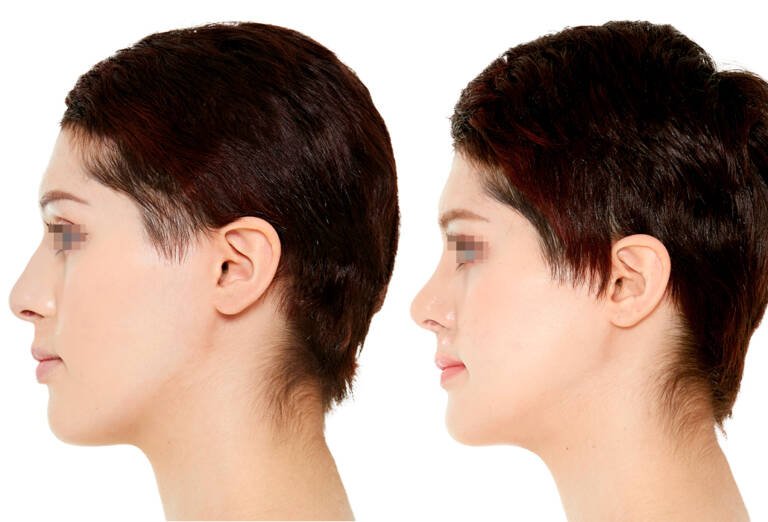
What is Hooked Nose Rhinoplasty?


A hooked nose — also known as an aquiline or Roman nose — is characterized by a prominent
dorsal hump formed by excess bone and cartilage along the nasal bridge. This feature can
create a stronger, more pronounced facial profile, which some patients feel appears overly
sharp or unbalanced.
Hooked nose rhinoplasty is designed to smooth the dorsal hump, refine the nasal contour,
and create a straighter, more harmonious profile while preserving natural facial character.
Procedure Overview
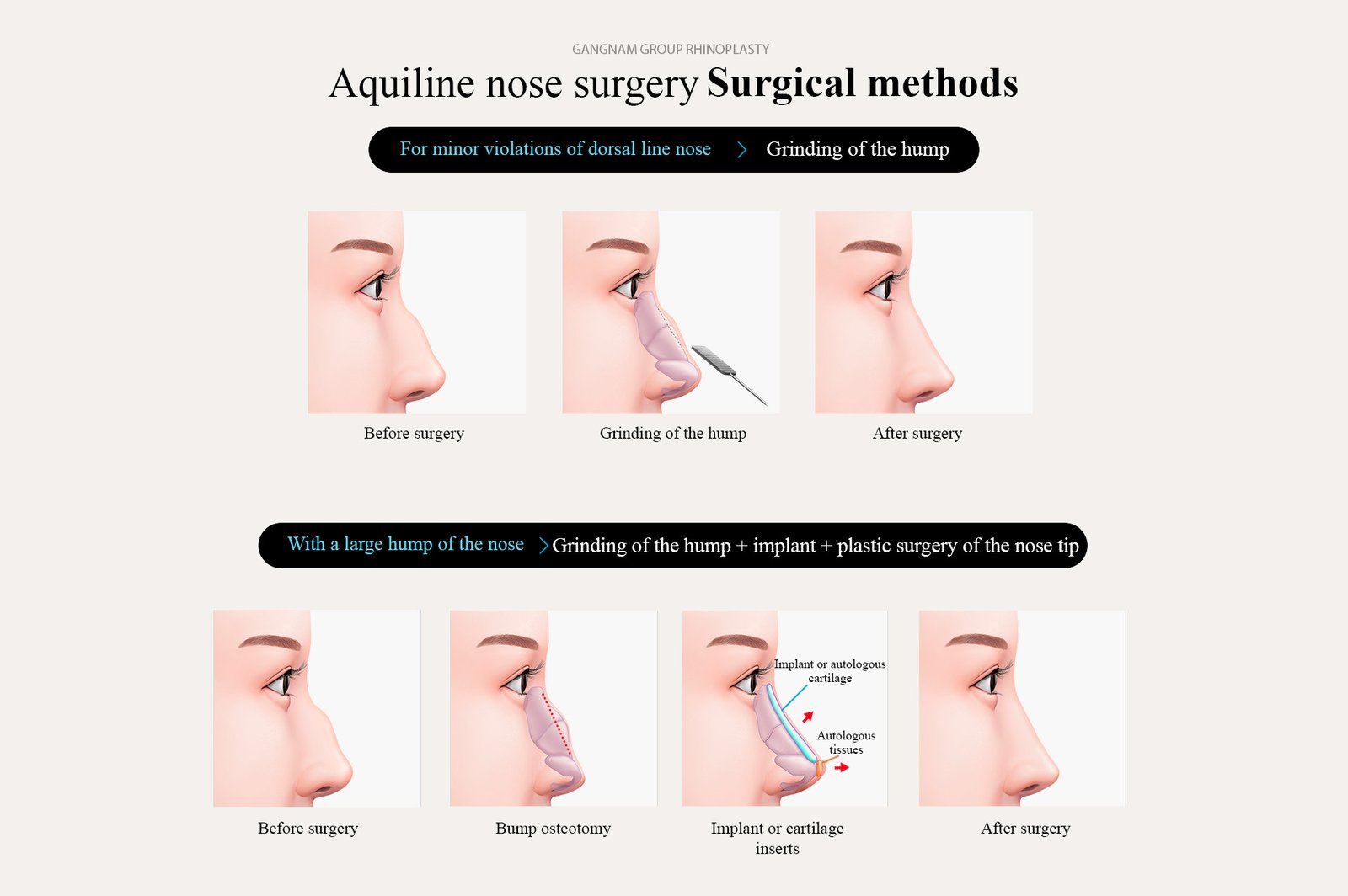
For mild cases, correction may involve precise reduction of the dorsal hump to achieve a
smoother nasal line. In more complex cases, both bone and cartilage are carefully reshaped
and reconstructed to ensure structural stability and optimal aesthetic results.
This procedure is often combined with additional techniques such as bridge augmentation
or nasal tip refinement to achieve balanced proportions and a natural-looking outcome.

What is Long Nose Rhinoplasty?


A long nose is typically characterized by an elongated nasal structure, often caused by
an overdeveloped septum or a drooping nasal tip. This can visually lengthen the face and
disrupt overall facial harmony.
Long nose rhinoplasty focuses on restoring balance by refining nasal proportions and
creating a more harmonious relationship between the nose and other facial features.
Procedure Overview
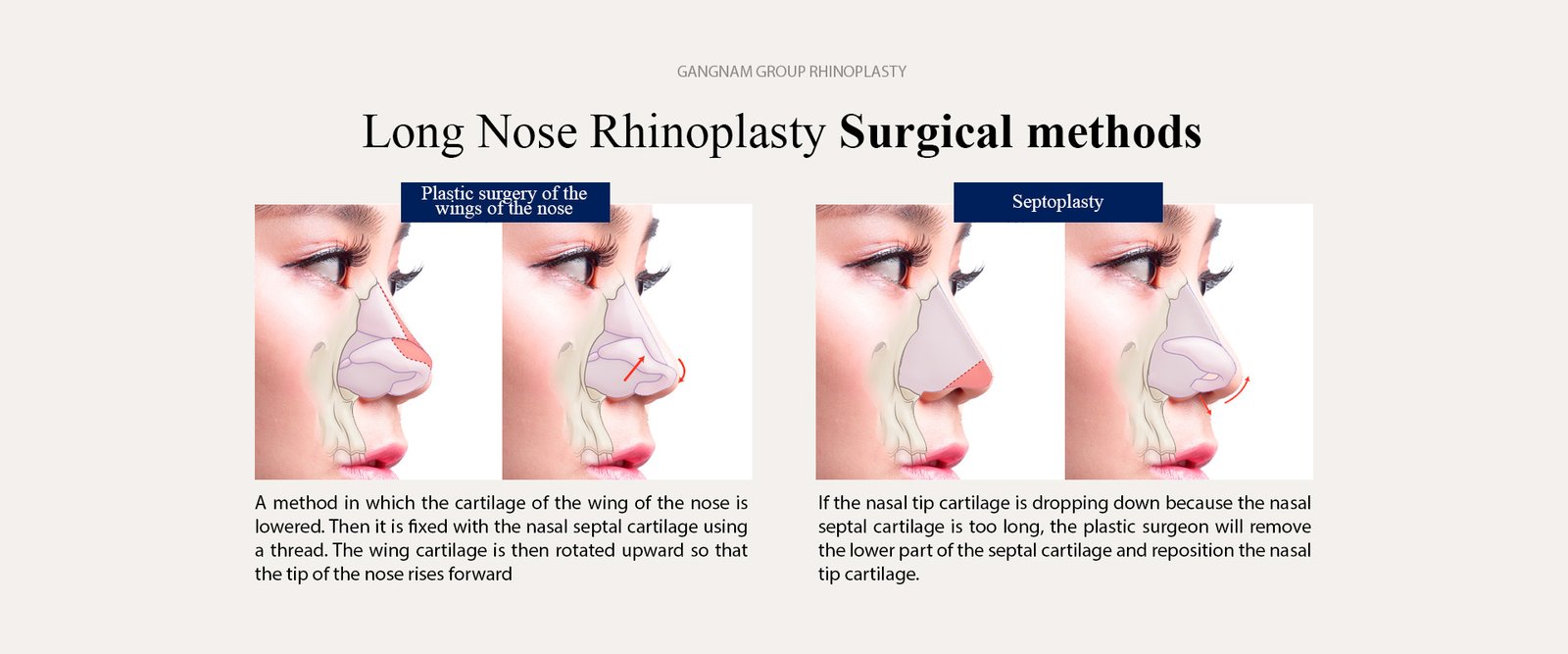
Correction of a long nose may involve reshaping or trimming the cartilaginous septum,
adjusting the nasal tip, or reinforcing the alar (wing) cartilage to improve support
and projection.
The exact surgical approach is carefully tailored to each patient’s anatomy and aesthetic
goals, ensuring both functional integrity and natural-looking results.
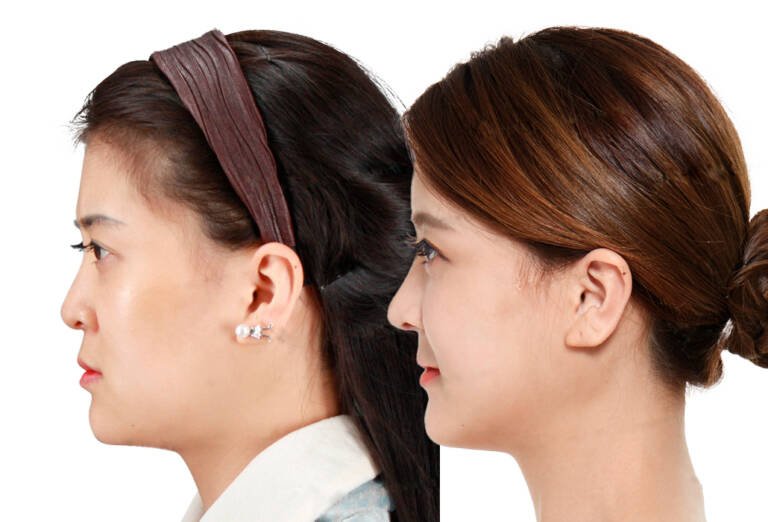
What is Short Nose Rhinoplasty?


A short nose is typically characterized by reduced nasal length and an upturned tip,
which can lead to excessive nostril exposure and imbalance in overall facial proportions.
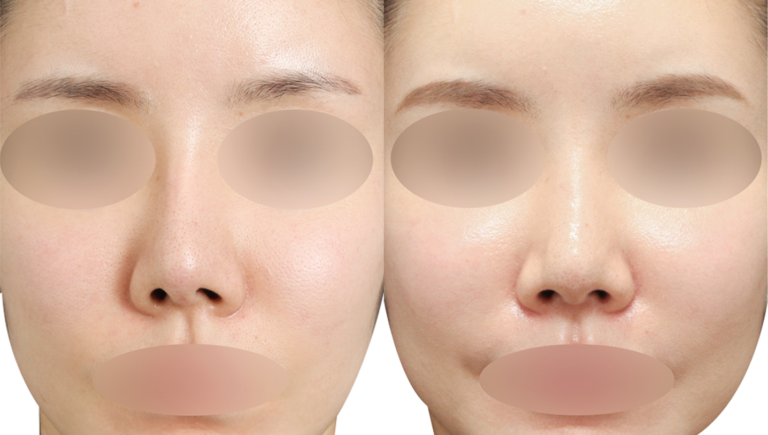
Short nose rhinoplasty aims to lengthen the nasal structure, refine tip position,
and restore a more balanced and natural facial profile.
Procedure Overview
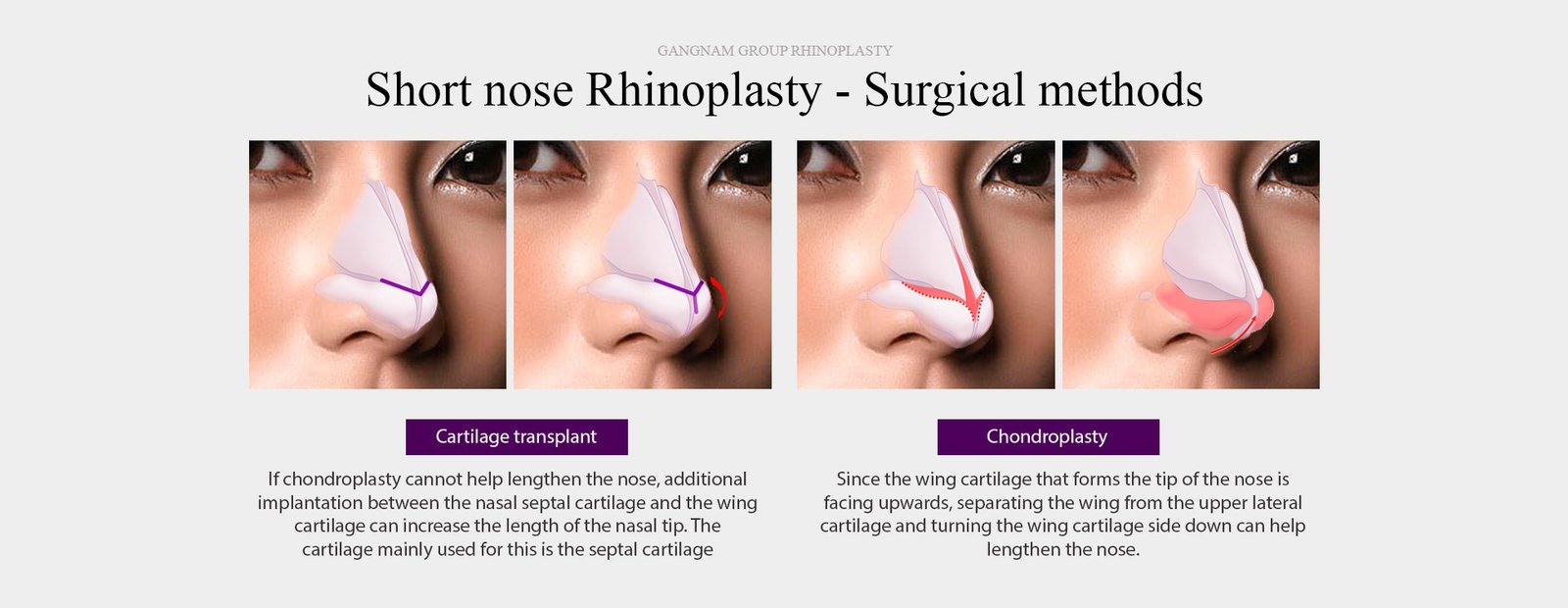
This procedure commonly involves the use of autologous cartilage — such as septal
or ear cartilage — to extend and support the nasal tip. By reinforcing the nasal
framework, the tip can be repositioned downward to achieve a more proportionate appearance.
In cases where the nasal bridge is also underdeveloped, the procedure may be combined
with bridge augmentation to enhance overall definition and harmony.
Short nose correction is considered one of the more technically demanding rhinoplasty
procedures and requires a highly experienced surgeon. When performed correctly, it can
deliver significant and long-lasting aesthetic improvement.
What is Deviated Nose Rhinoplasty?


A deviated (crooked) nose occurs when the nasal septum — the structure dividing the nasal
passages — is displaced or misaligned. This condition may be congenital or result from trauma
or injury.
In addition to aesthetic concerns, a deviated septum can obstruct airflow and lead to
functional issues such as chronic nasal congestion, difficulty breathing, and sinus problems.
Procedure Overview
Successful correction begins with identifying the underlying cause and extent of the deviation.
This allows the surgeon to address both functional and structural issues while minimizing the
risk of recurrence.
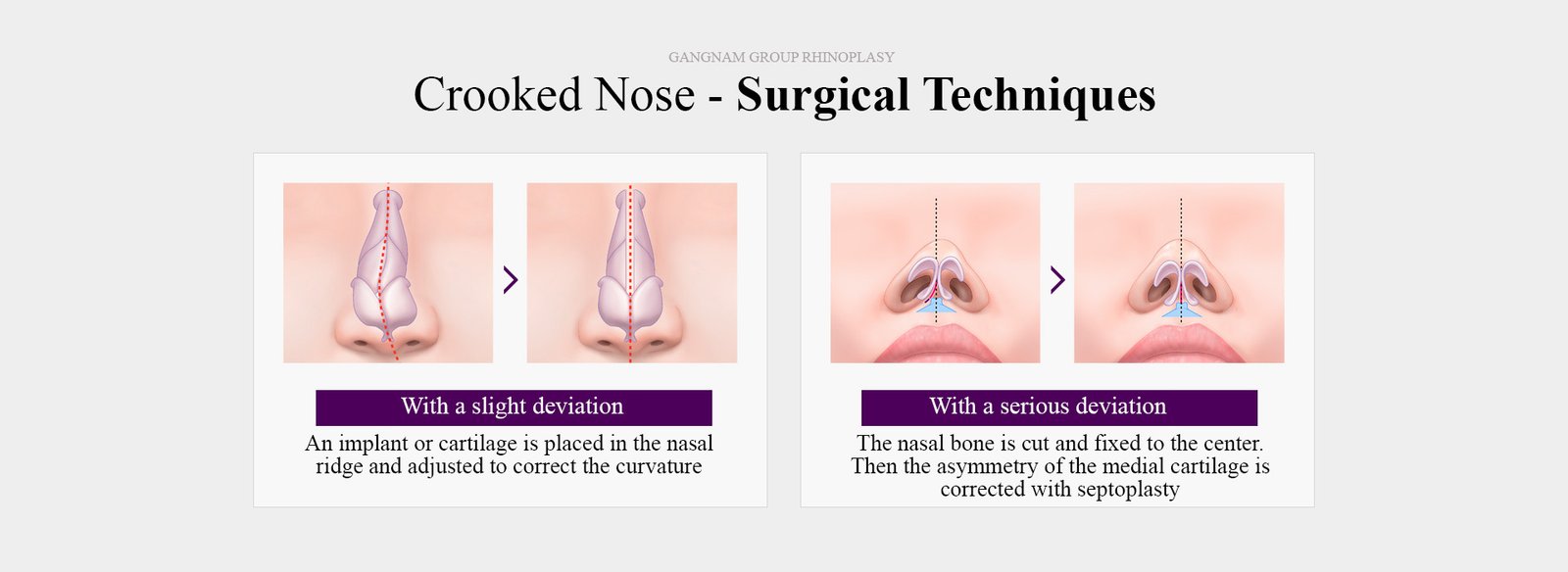
The procedure typically involves septoplasty to straighten the septum, often combined with
osteotomy to reposition the nasal bones into proper alignment. In some cases, cartilage grafts
are used to reinforce the nasal structure and refine the tip.
After surgery, internal splints may be placed to support the septum and maintain stability
during the initial healing phase. These are usually removed within a few days.
What is Wide nose Rhinoplasty (Osteotomy)?
or flared nostrils. This can reduce facial definition and affect overall harmony,
as the nose is a central feature of the face.
Wide nose rhinoplasty focuses on narrowing and refining the nasal structure to
create a more balanced, proportionate, and aesthetically pleasing appearance.
Procedure Overview
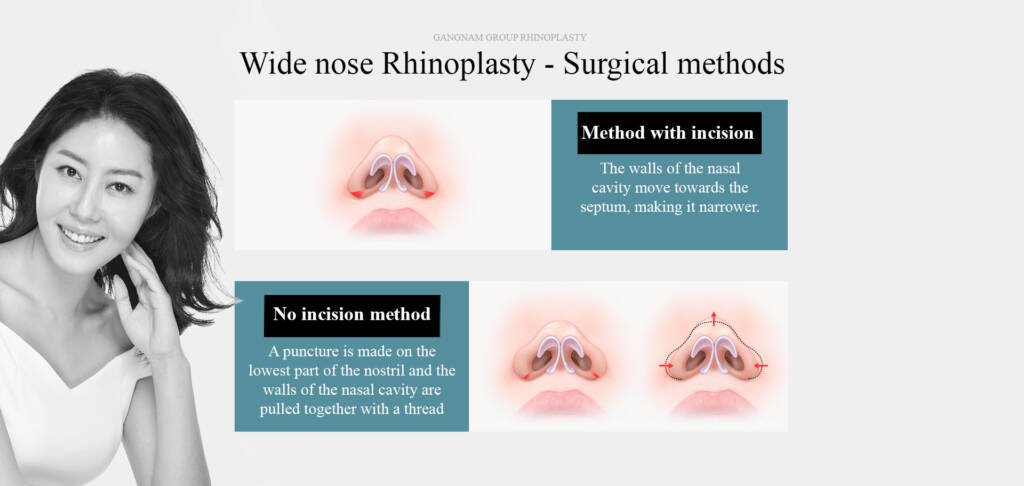
One of the most effective techniques for narrowing the nose is osteotomy, a procedure
in which controlled, precise cuts are made in the nasal bones to allow repositioning.
The nasal walls are then carefully moved inward toward the septum, resulting in a
slimmer nasal profile.
Depending on the patient’s anatomy, additional refinements may include dorsal hump
reduction, tip reshaping, or bridge augmentation to enhance definition and achieve
optimal facial balance.
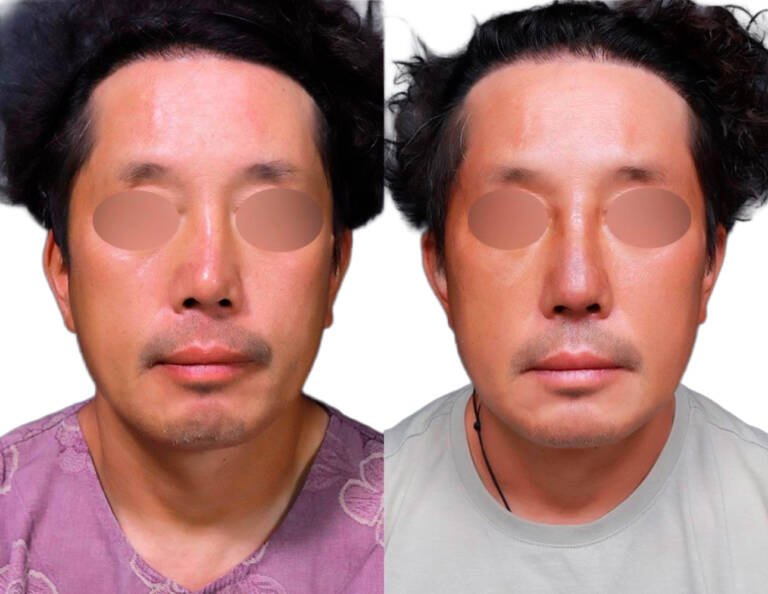
What is Bulbous / Big Nose Rhinoplasty?
A bulbous or enlarged nasal tip is typically characterized by a rounded, poorly defined
appearance. This may result from thick skin with excess soft tissue, enlarged or widely
spaced lower lateral cartilages, or a combination of both.
Bulbous nose rhinoplasty focuses on refining the nasal tip to create a more defined,
proportionate, and aesthetically balanced appearance while preserving a natural look.
Procedure Overview
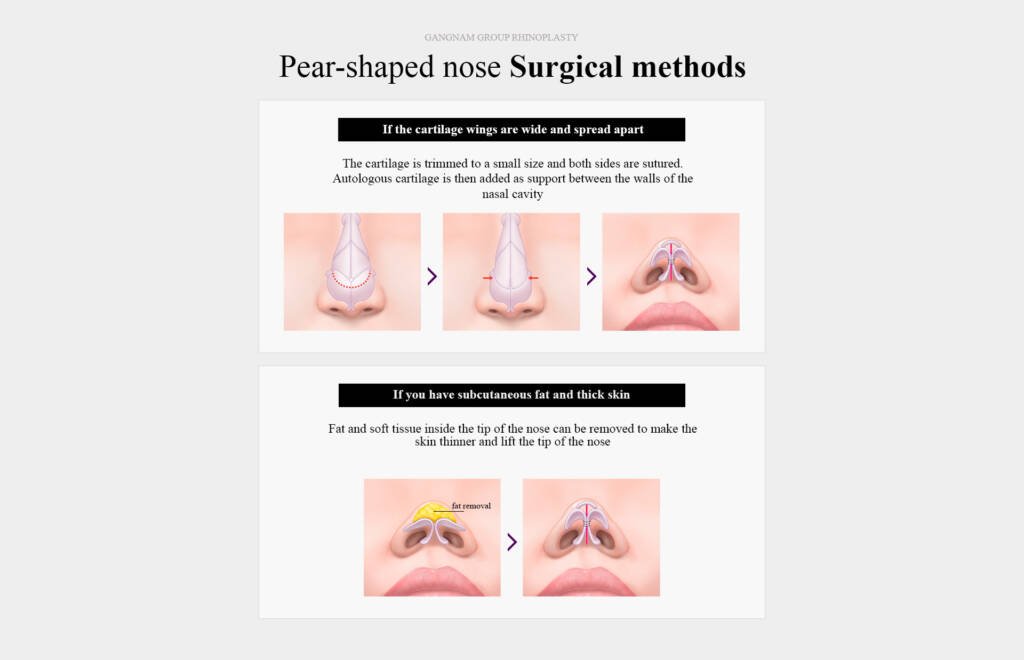
Correction usually involves reshaping and repositioning the nasal tip cartilages,
as well as reducing excess soft tissue when necessary. In some cases, cartilage grafts
— sourced from the septum, ear, or rib — are used to improve structure, support,
and long-term definition.
Depending on the individual anatomy, additional refinements may include nostril
symmetry correction or subtle bridge enhancement to achieve overall facial harmony
and a more refined nasal contour.
Will There Be Scars?
- Open rhinoplasty: May leave a small scar at the base of the nose, which typically fades significantly
- Closed rhinoplasty: No visible external scars
Proper aftercare and sun protection are essential for optimal healing.
Why Choose Rhinoplasty Abroad?
- ✔ Board-certified plastic surgeons specializing in facial procedures
- ✔ Modern accredited clinics with advanced technology
- ✔ Personalized consultations and 3D simulation
- ✔ All-inclusive medical tourism packages
- ✔ English-speaking staff and international standards
- ✔ Significant cost savings without compromising quality
Ideal Candidates
- Adults (18+) with fully developed nasal structure
- Good overall health, non-smokers
- Realistic expectations
- Motivated by aesthetic or medical goals
Combine With Other Procedures
Rhinoplasty is often combined with:
- Chin augmentation (profile balance)
- Septoplasty (breathing improvement)
- Eyelid surgery or facelift
- Lip lift or buccal fat removal
Start Your Journey to a More Confident You
Your nose plays a central role in both appearance and breathing.
Our expert rhinoplasty surgeons will guide you through every step —
from consultation to full recovery.
Contact us today for a personalized treatment plan, cost estimate, and travel assistance.